Real Local Context
Students work with a real museum and local stories from Windsor and the Hawkesbury region.
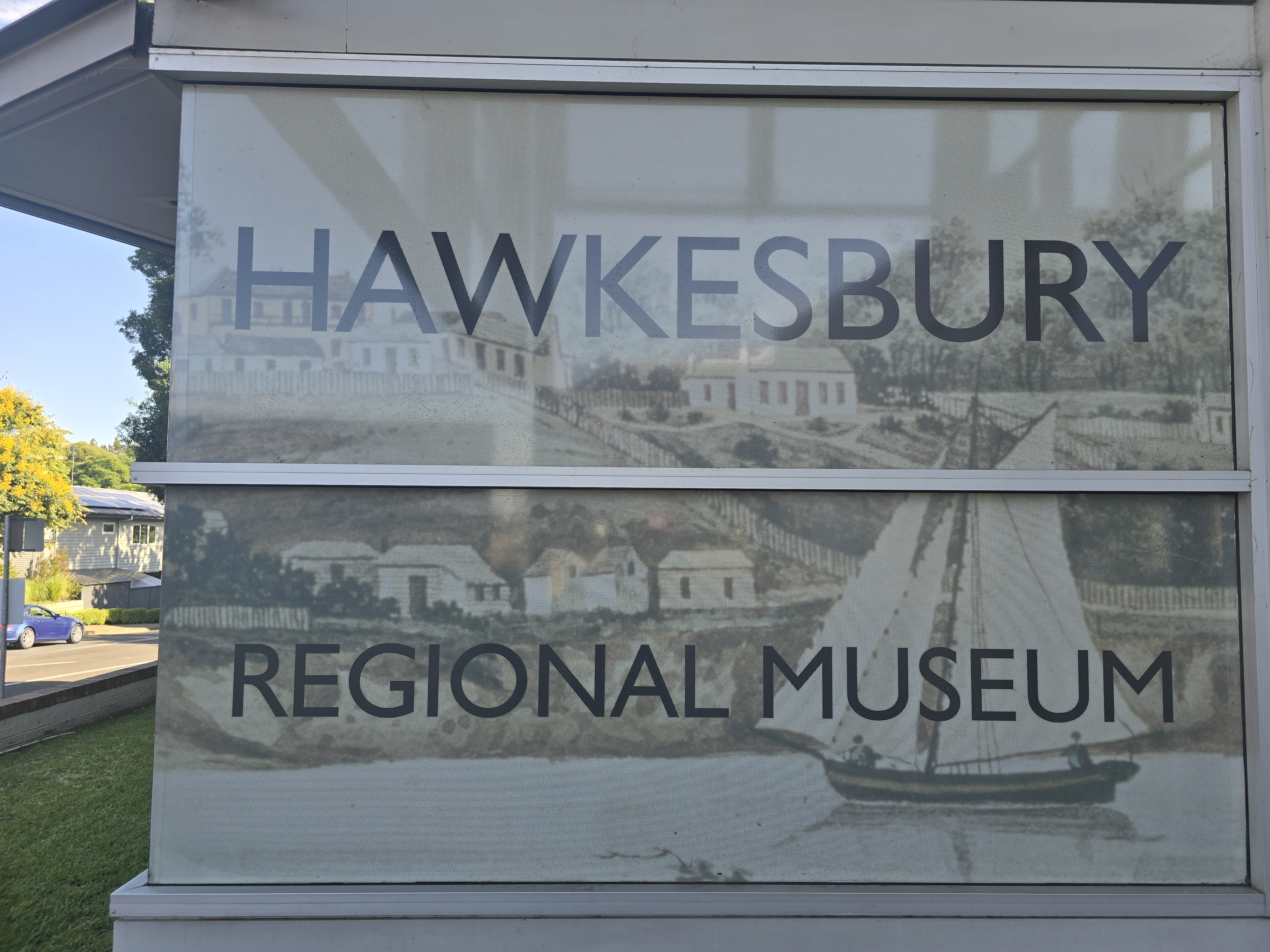
Welcome to Land, River, People: A Hawkesbury Learning Hub. My name is Matthew Nicol, and this website has been created as part of the Humanities and Social Sciences unit at Australian Catholic University. This resource is designed for primary students to explore how local places can help us understand history, community, and change over time. Using Hawkesbury Regional Museum as our key community resource, students will investigate artefacts, images, stories, and historical perspectives connected to Windsor and the wider Hawkesbury region. This website supports authentic, inquiry-based learning by connecting classroom ideas with a real place in the local community.
This hub is organised into simple sections so students and teachers can move easily between local context, inquiry tasks, support resources, and reflection.
Students work with a real museum and local stories from Windsor and the Hawkesbury region.
Each learning experience invites students to observe, question, compare, and create.
Resource cards and curriculum links make the site classroom-ready and easy to adapt.
The final page uses a more academic voice suitable for an assessment submission.
This resource is grounded in a real visit to Hawkesbury Regional Museum and the surrounding Windsor river precinct. The supporting photographs throughout the site provide direct visual evidence that informs the inquiry tasks, resource selection, and place-based focus of the learning sequence.
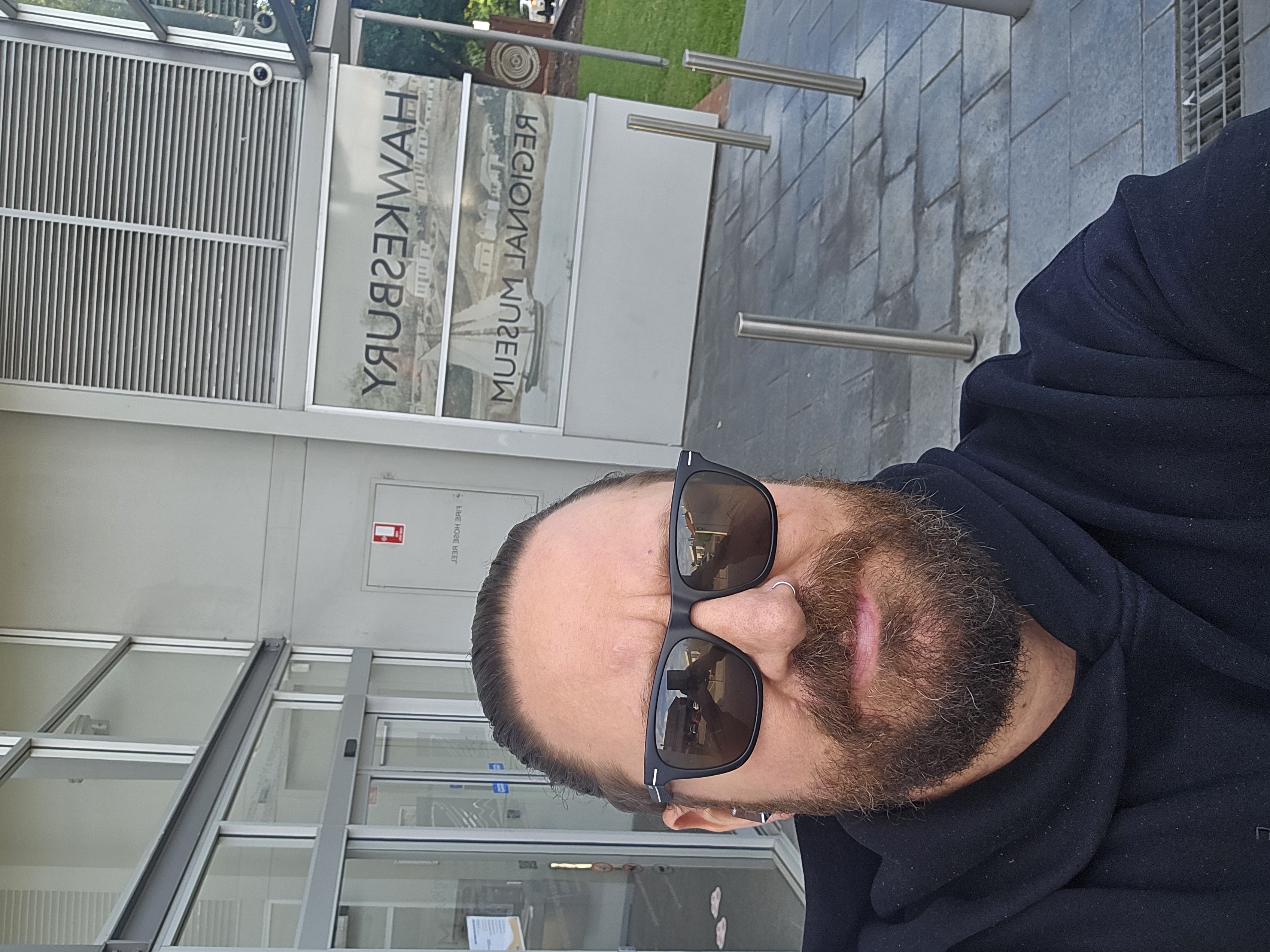
Hawkesbury Regional Museum is located in Windsor and explores the social history of the Hawkesbury region through themes of land, river and people. The museum is significant because it helps visitors understand how the Hawkesbury has been shaped by environment, settlement, work, and community life over time. As a local community resource, the museum provides access to artefacts, photographs, exhibitions, and place-based stories that make historical concepts more concrete and meaningful. This supports inquiry-based learning by helping students connect curriculum concepts to visible evidence, local stories, and real places.
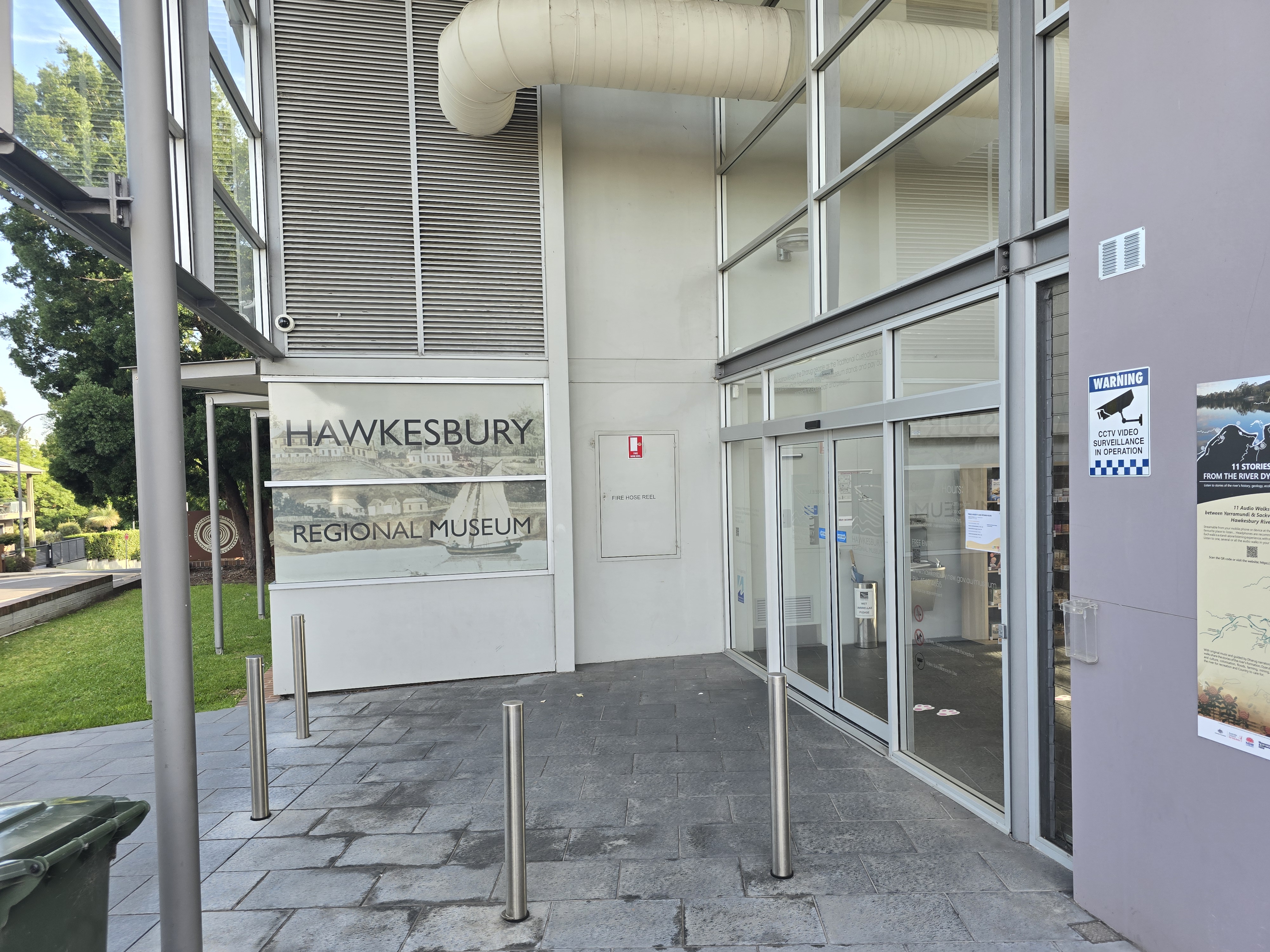
These image cards are ready for museum visit photographs, captions, and brief teaching annotations.
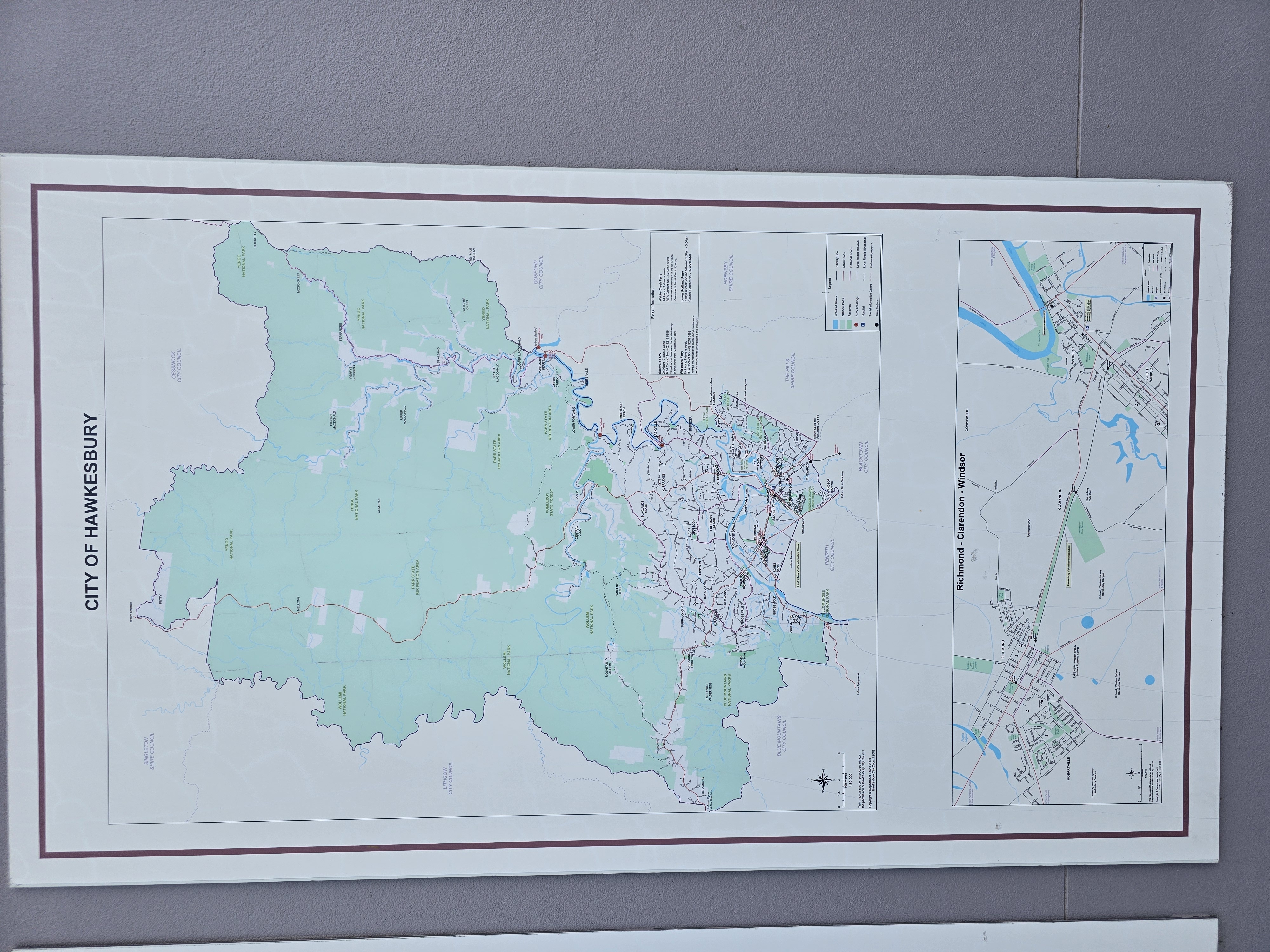
Supports students in locating Windsor within the broader Hawkesbury region and establishing geographical context.
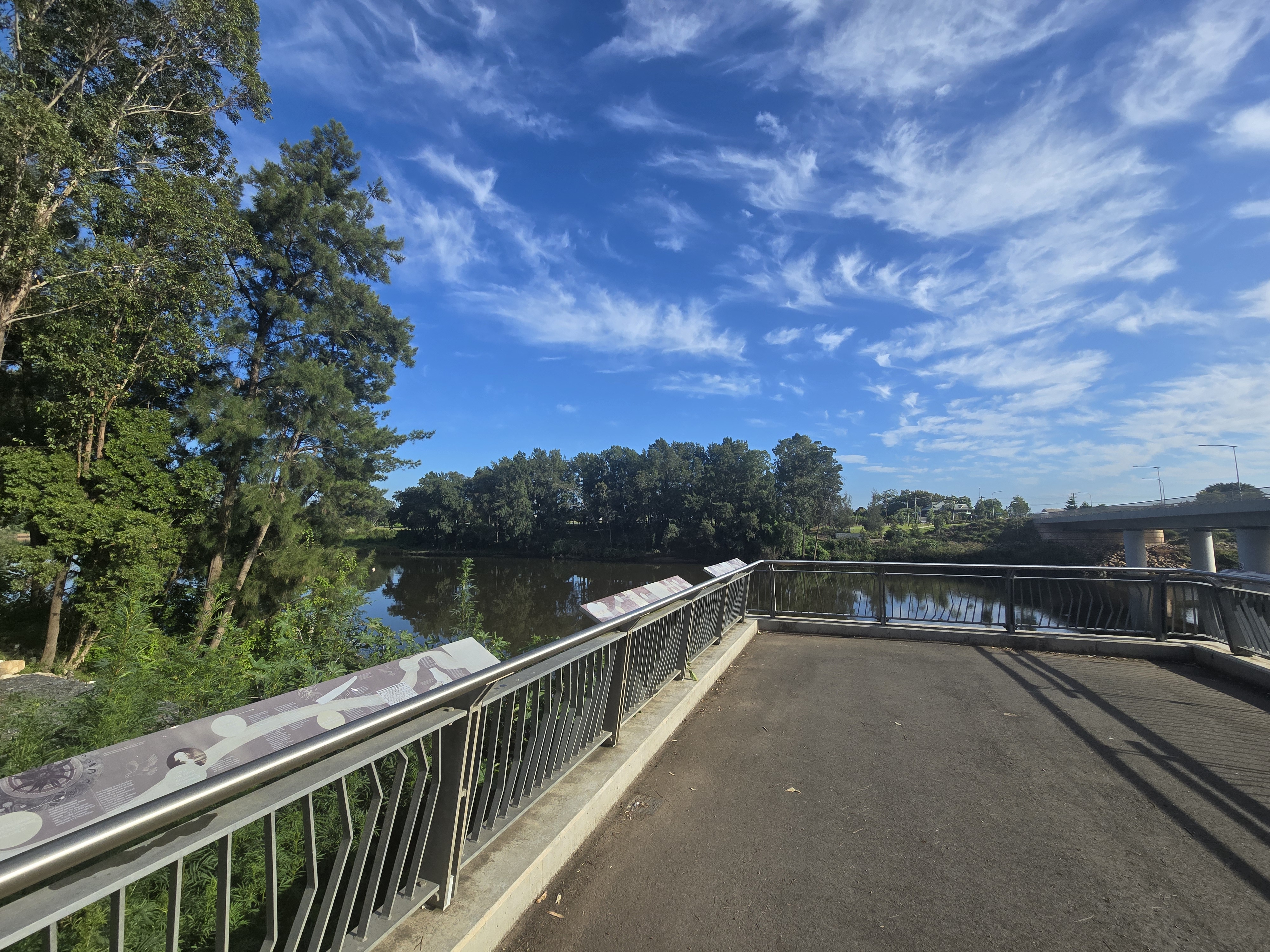
Shows how the river landscape helps shape inquiry into environment, movement, and community life.
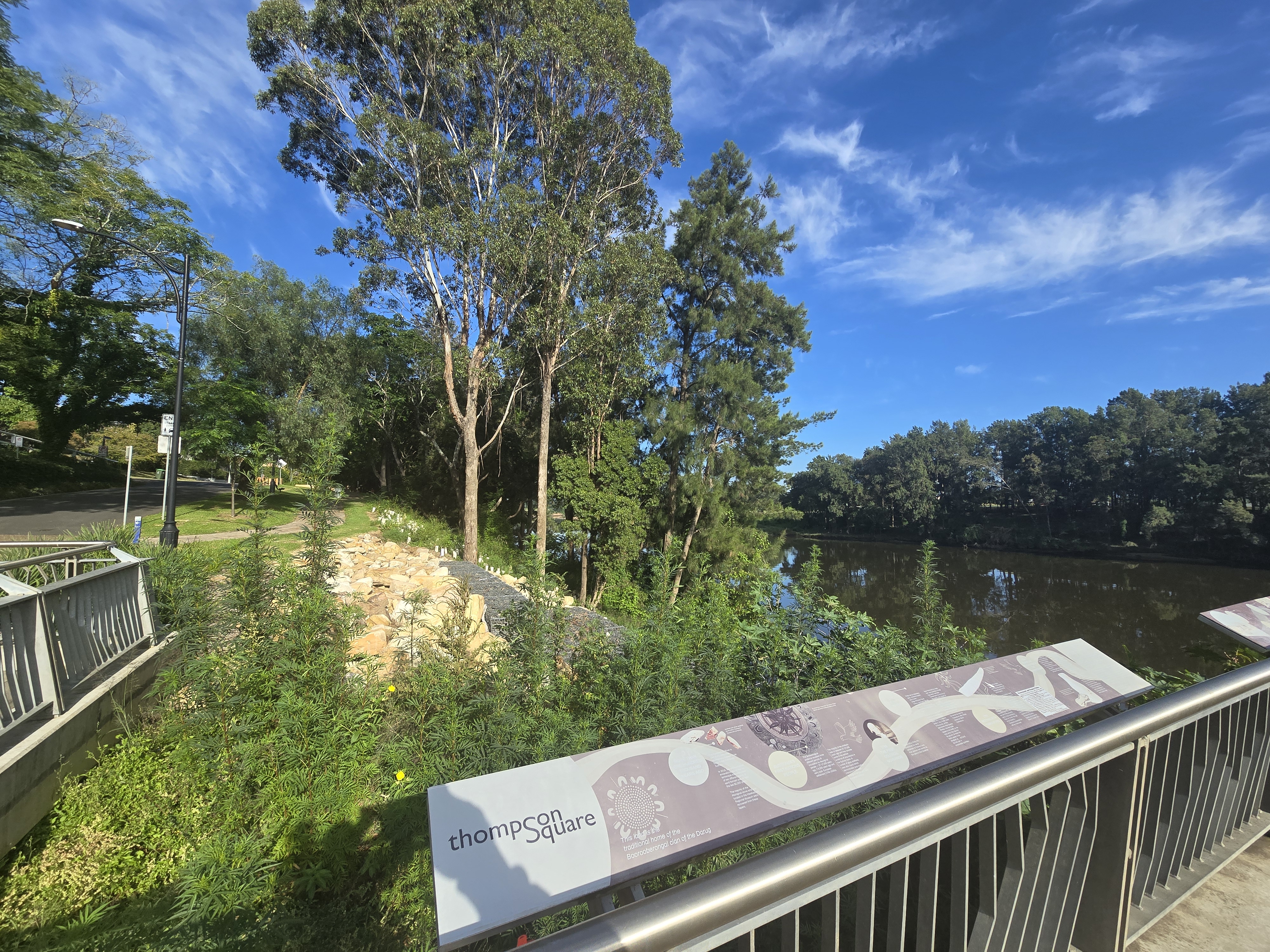
Connects local place, community history, and the visible river setting surrounding the museum.
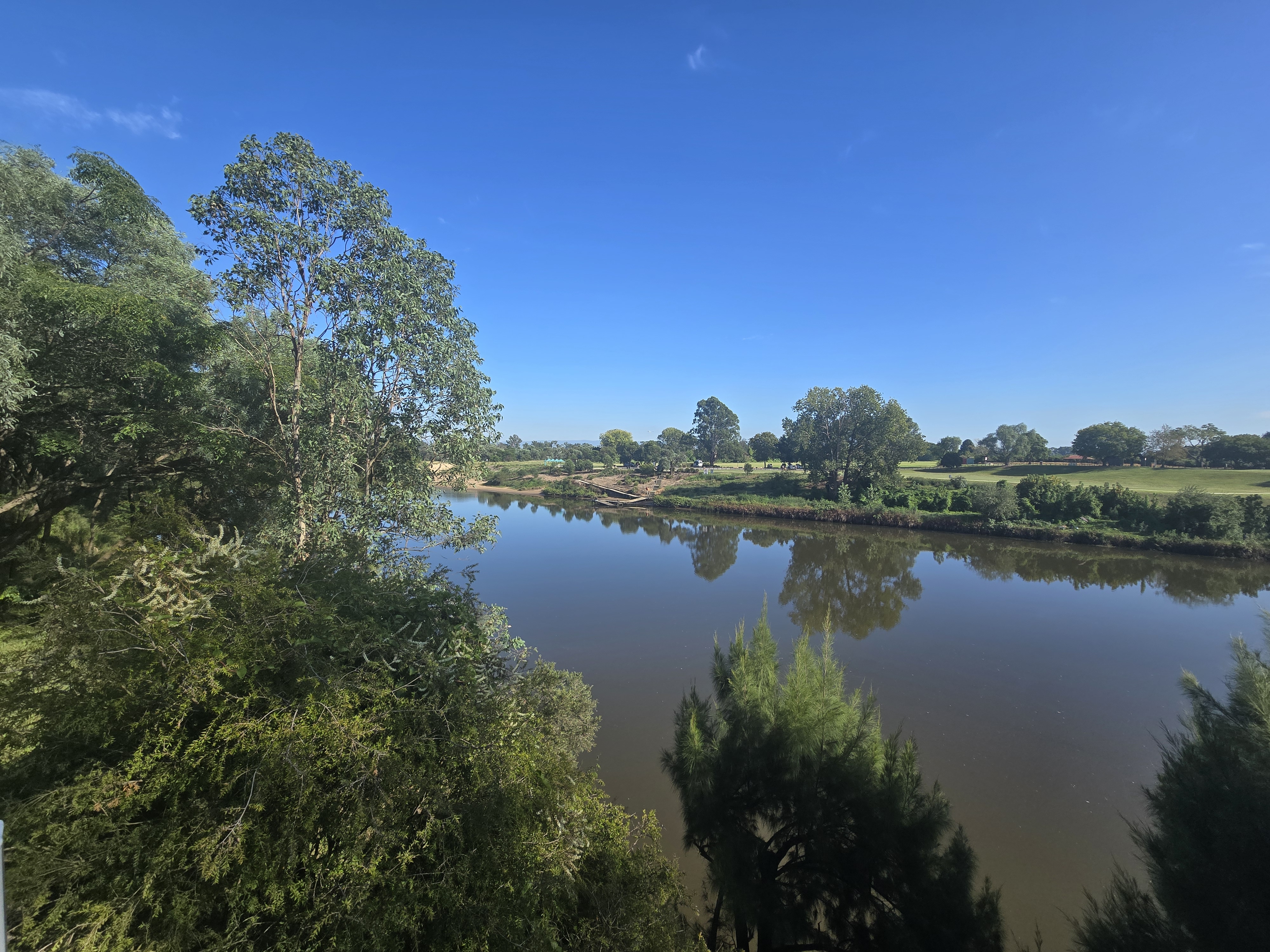
Adds a second location source that helps students link the museum visit to the wider heritage precinct.
These selected photographs establish the museum site, nearby river environment, and the wider heritage setting used in the inquiry.
This page highlights the key ideas and capabilities supported by the resource.
This resource aligns with the NSW HASS K-6 Syllabus (2024), particularly Stage 3 learning related to community change, environmental interactions, and the use of sources as evidence.
The resource supports students in using sources as evidence to explore continuity and change, perspective, place, and significance.
Students investigate how the Hawkesbury region has changed over time, exploring the relationship between people, place, and environment. Learning focuses on interpreting historical and geographical sources to understand how communities develop and respond to environmental factors.
Students engage with local historical sources, including artefacts, images, and museum displays, to explore how the Hawkesbury community has evolved over time.
Students explore how land, river, and settlement have shaped community identity and everyday life in the Hawkesbury.
Students examine how aspects of life in the Hawkesbury region have changed or remained the same, including transport, land use, and community structures.
Students consider how different groups may experience and interpret the same place in different ways, including whose stories are visible in museums and why.
Students analyse sources, ask questions, and develop interpretations about how and why the Hawkesbury region has changed over time.
Students read visual and written sources, discuss ideas, and communicate their understanding using historical and geographical vocabulary.
Students recognise that places hold different meanings for different people and develop respect for diverse histories, experiences, and perspectives.
Students consider the ongoing connection of Aboriginal Peoples to Country and how this shapes understanding of place, history, and community.
Hawkesbury Regional Museum is located in Windsor and presents the stories of the region through exhibitions, collections, and local community histories.
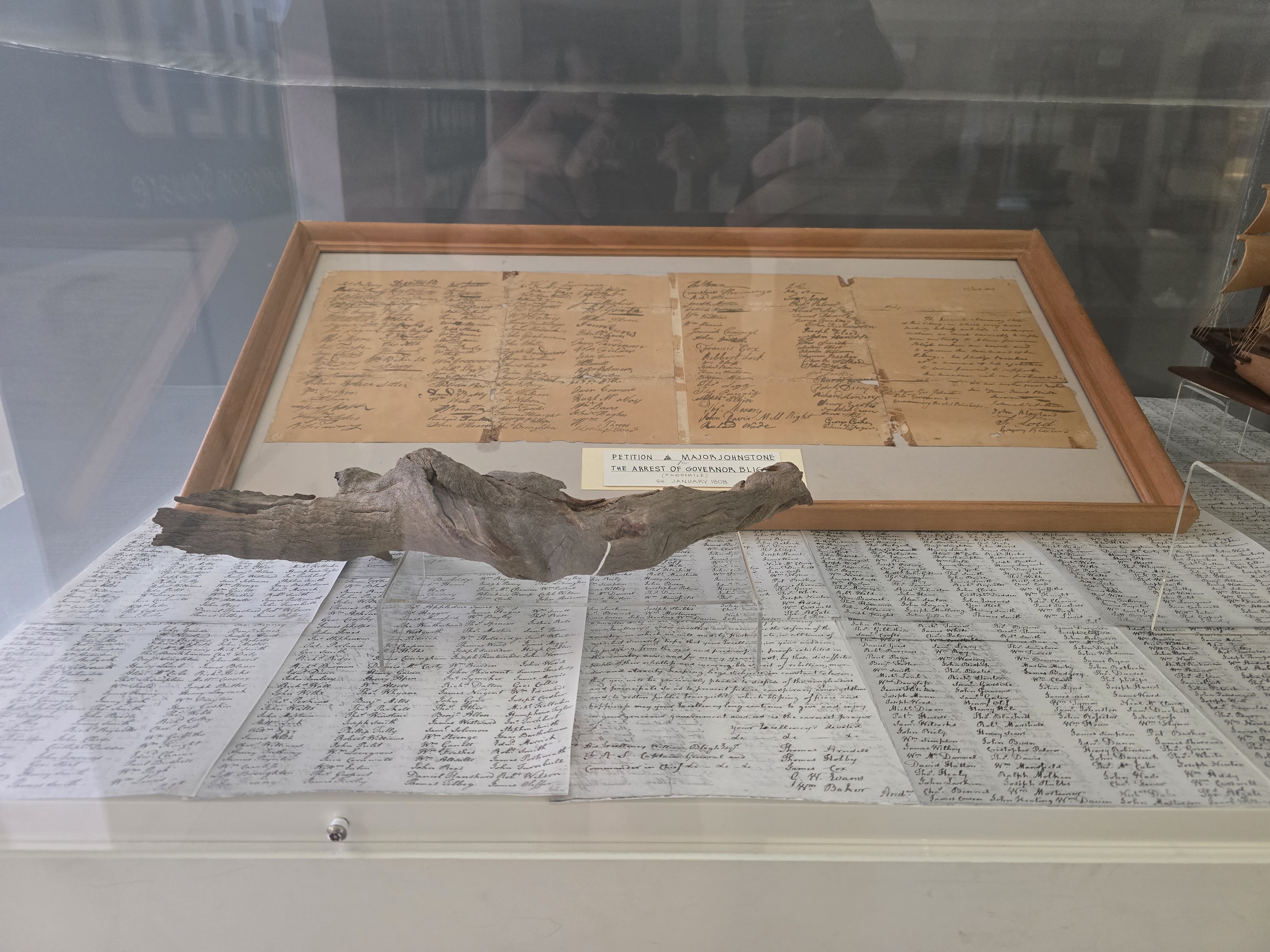
Students explore photographs of museum objects and displays, then choose one source to investigate. They describe what they notice, infer what the object was used for, and explain what it reveals about life in the Hawkesbury. Students compare their source with another from a different context or time period and identify what has changed and what has stayed the same. To finish, students create a short museum label or audio guide script explaining why their chosen source is historically important.
Students can describe what a source shows, infer what it suggests about life in the Hawkesbury, compare past and present, and explain why the source is historically significant.
Museum photographs, display images, note-taking materials, a comparison source, and time to draft either a museum label or a short audio guide script.
1. Look closely at a museum object or display image.
2. Record what you notice first using careful observation.
3. Infer what the object may have been used for.
4. Compare it with another source from a different context or time.
5. Decide what has changed and what has stayed the same.
6. Create a short museum label or audio guide script explaining why the source matters.
What details helped you make your inference? What does this source reveal about life in the Hawkesbury? Why might historians see this object as important? How can two sources from different times help us notice continuity and change?
Explain how your chosen source helps you understand life in the Hawkesbury and what it reveals about continuity, change, or significance.
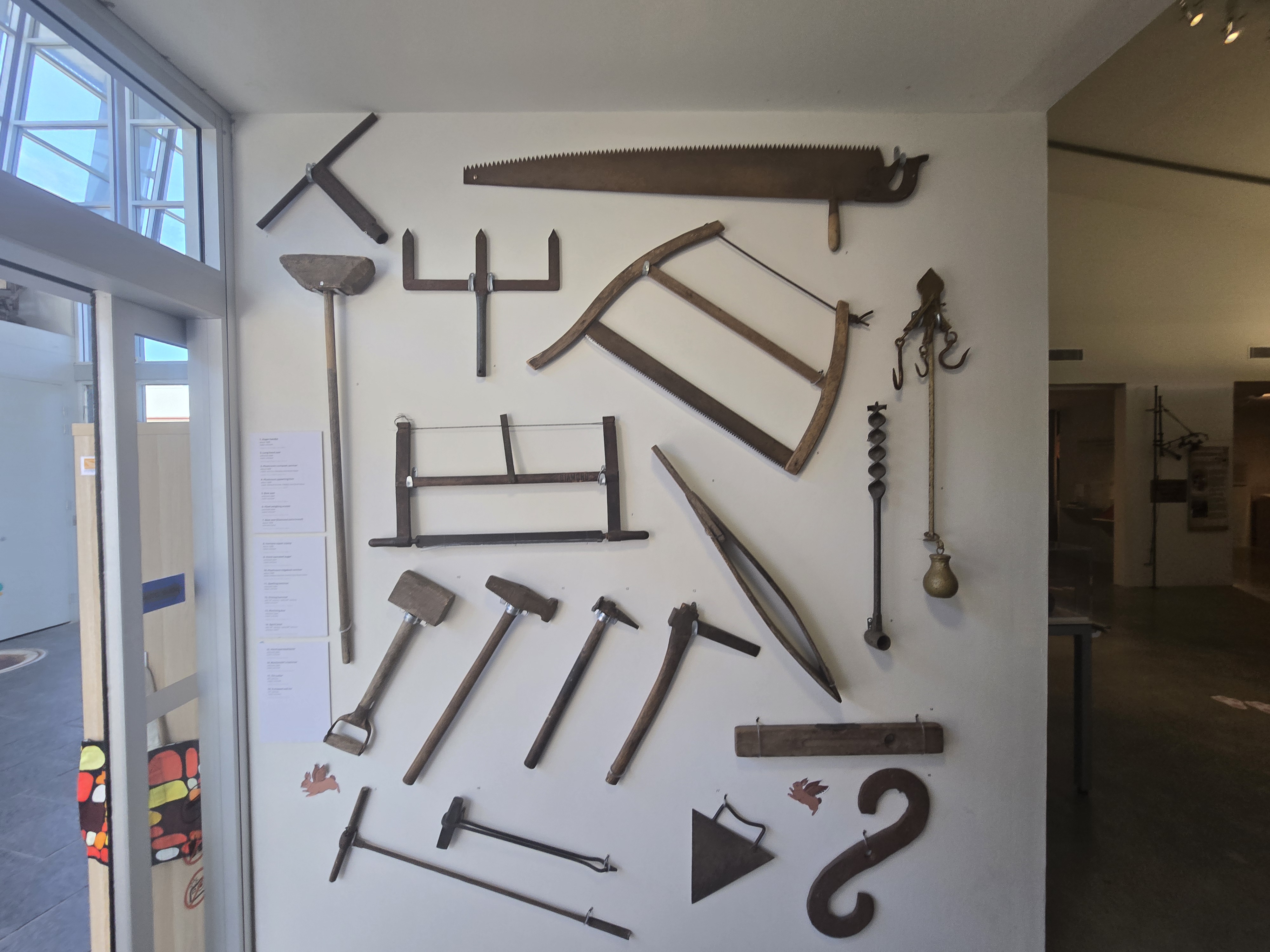
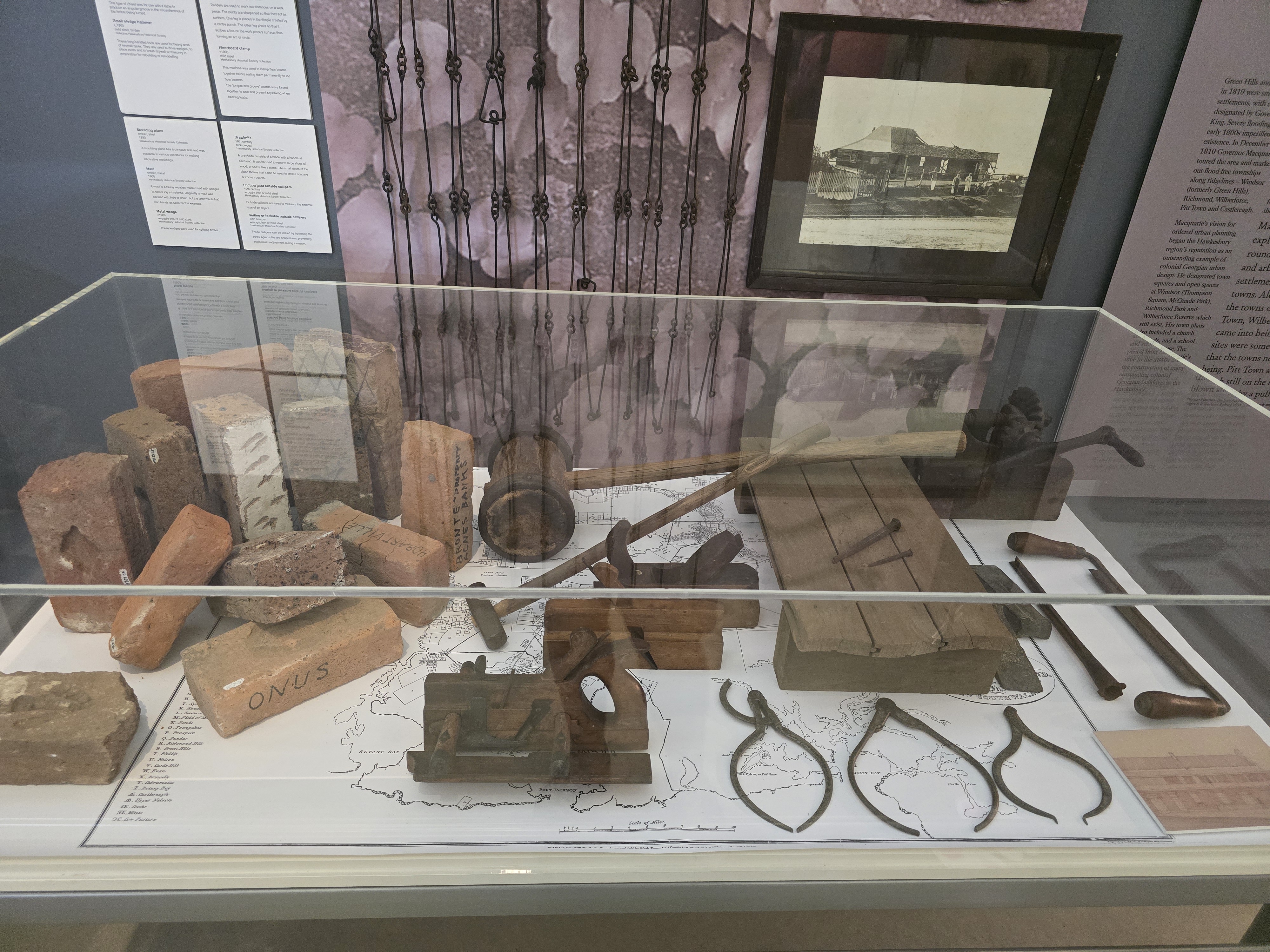
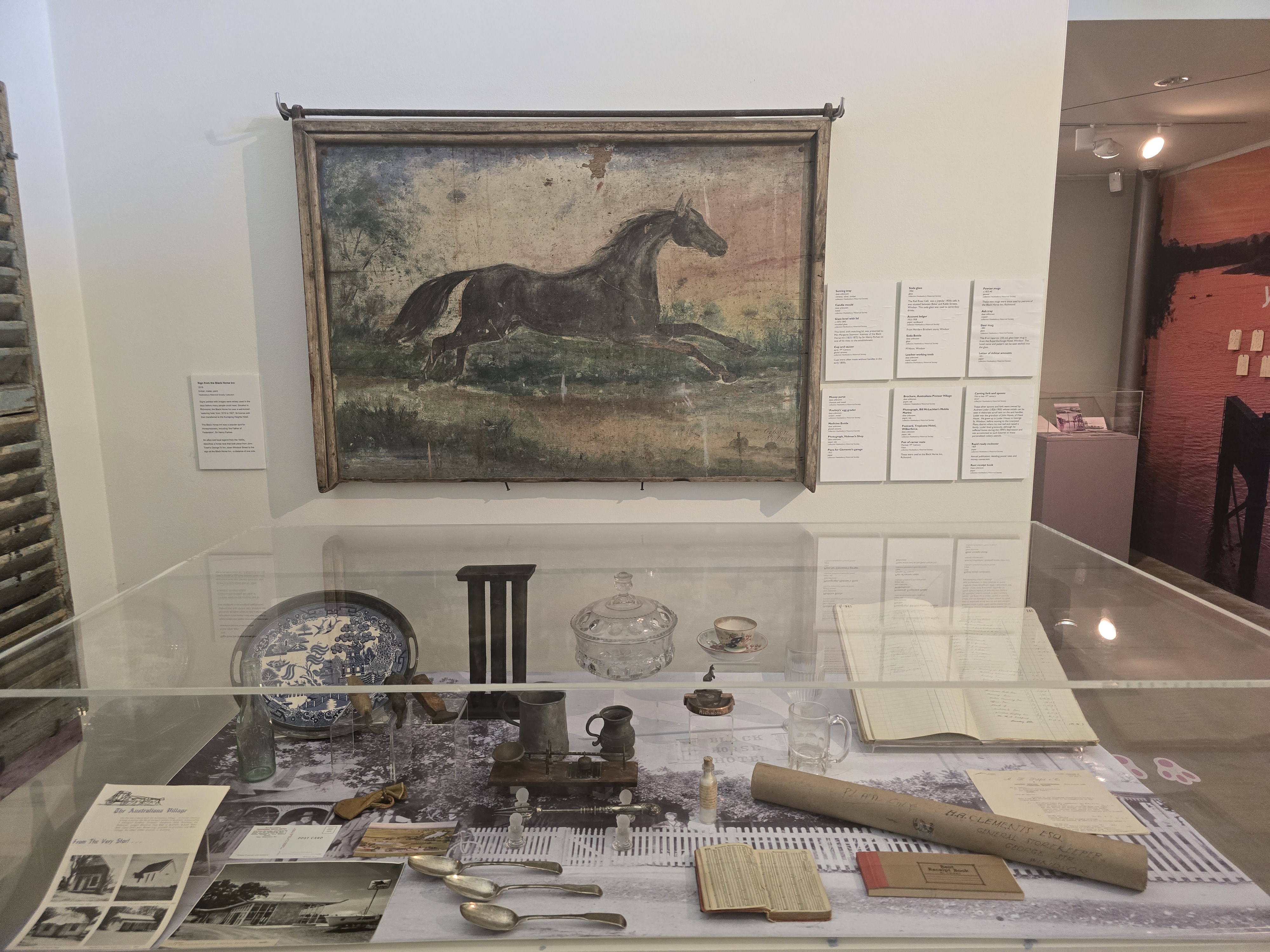
Provides supporting text that students can analyse alongside the object display.
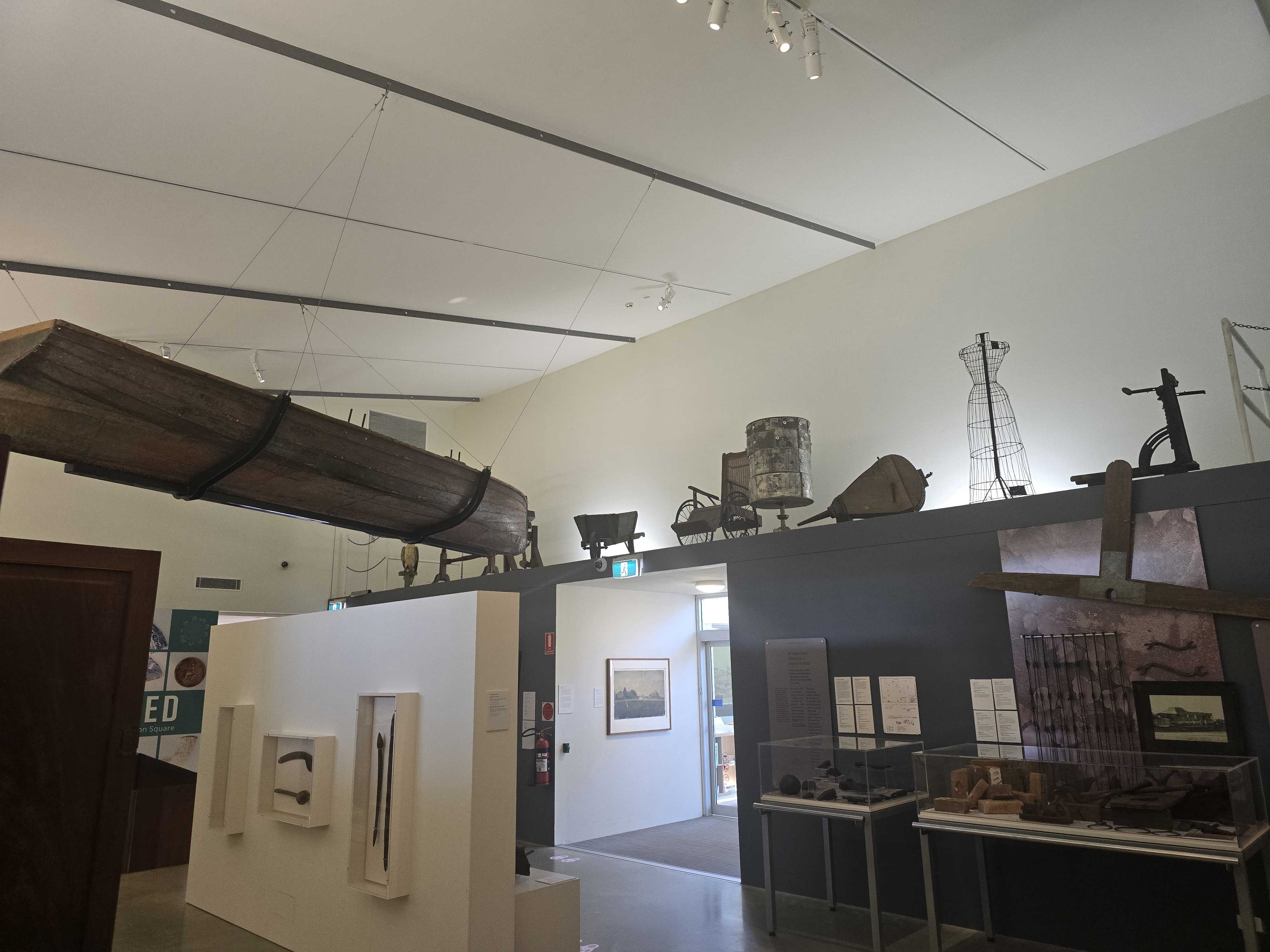
Offers a second visual source for comparing materials, uses, and evidence of daily life.
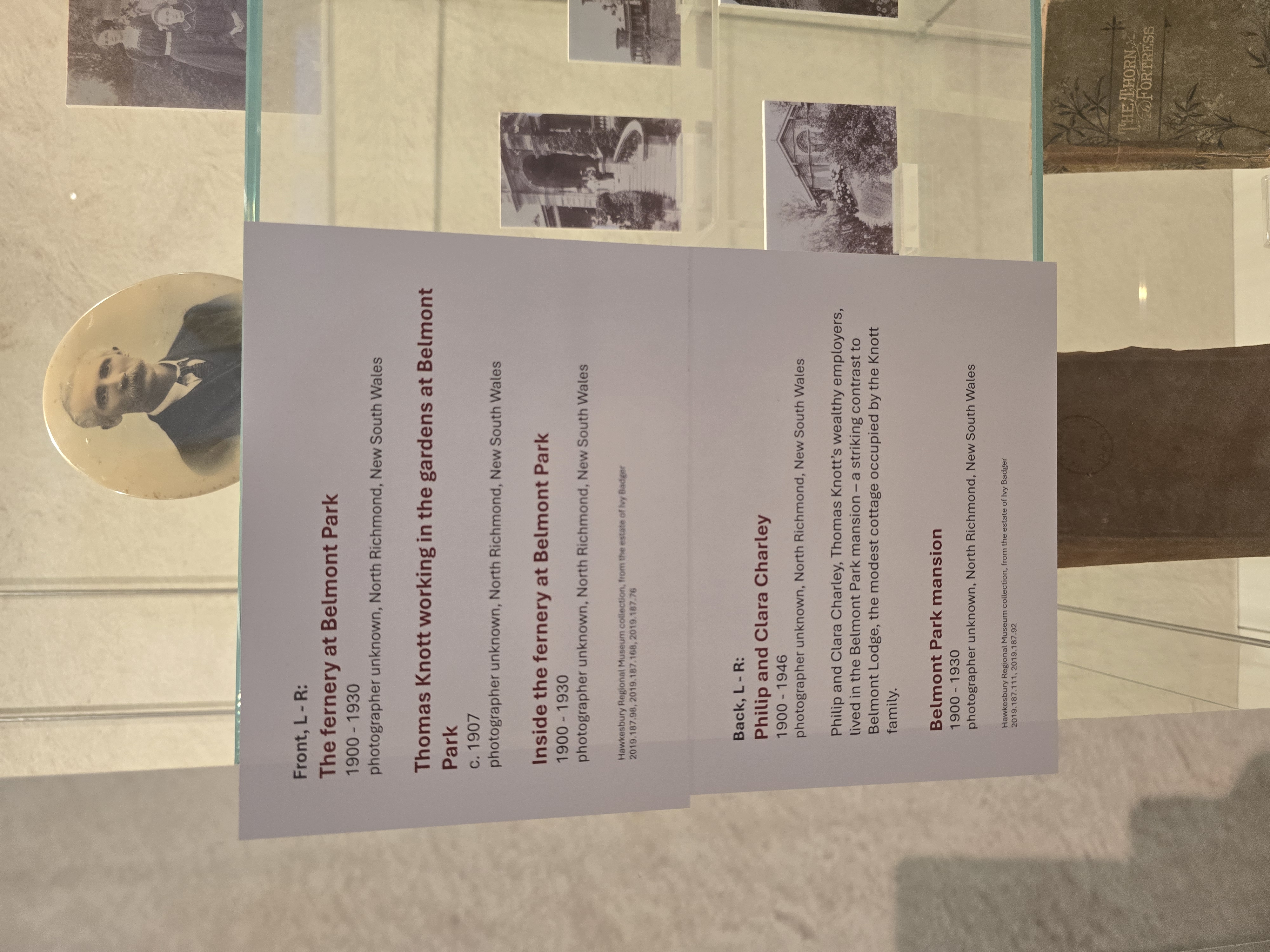
Extends the task from artefacts to written historical sources that can also be interpreted as evidence.
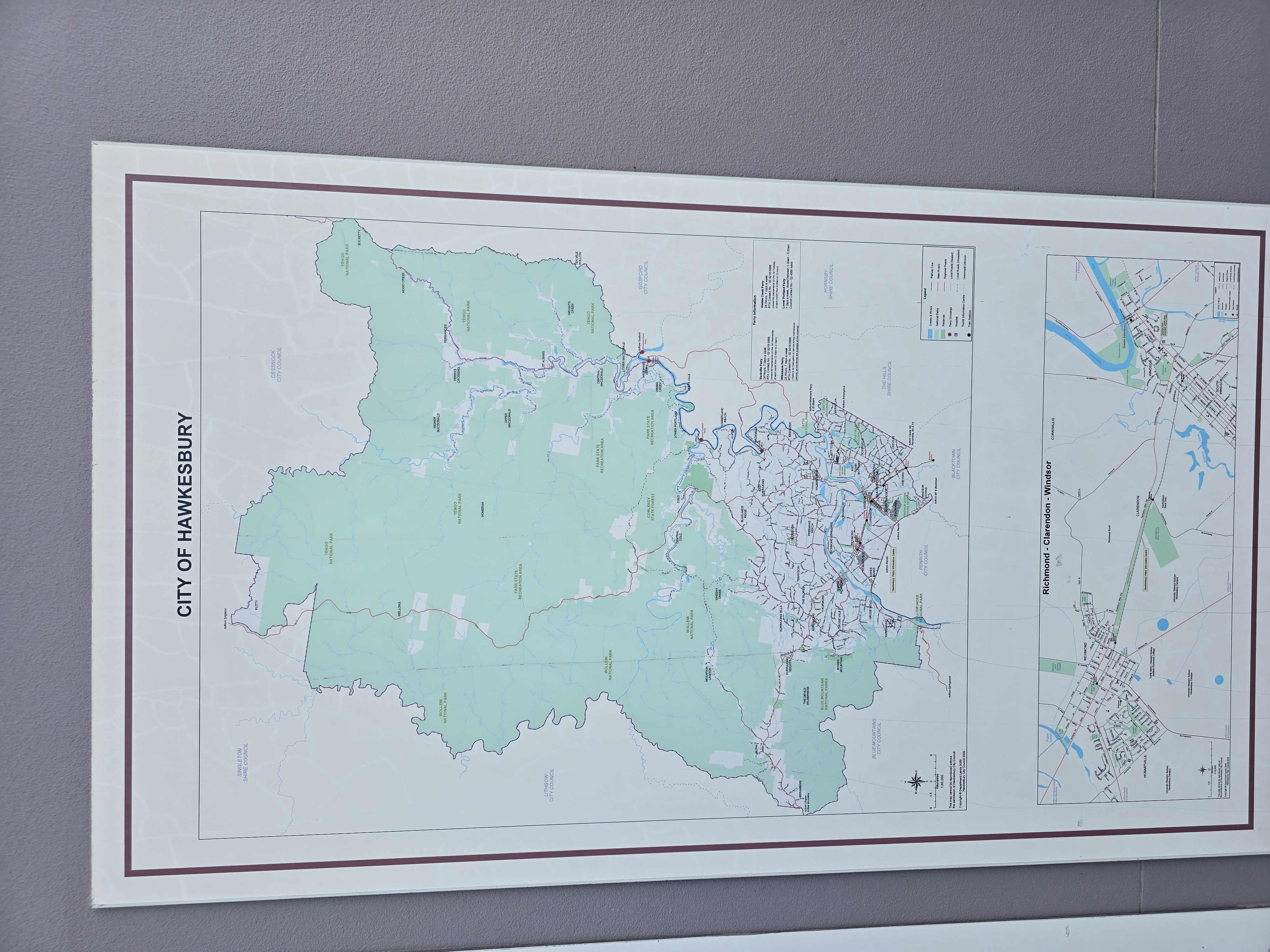
Provides an optional documentary source for comparison with object-based evidence.
Students investigate how land, river and environment have shaped the Hawkesbury community. Using museum sources, maps, and teacher-provided images, students sort information into categories such as environment, transport, work, housing, and community life. They create a cause-and-effect chart or concept map showing how place influences people's experiences. Students then consider different perspectives and create a digital postcard, poster, or short slide explaining why the Hawkesbury is an important place to study.
How do land, river, and environment influence the way people live, work, travel, and build community in the Hawkesbury?
Students can explain how land, river, and environment influence community life, organise information into categories, and communicate why the Hawkesbury is an important place to study.
Sort museum sources, maps, and teacher-provided images into categories such as environment, transport, work, housing, and community life.
Consider cause and effect, different perspectives, and how one place can shape people's experiences in different ways over time.
1. Review maps, museum sources, and local images.
2. Group information into categories such as environment, transport, work, and community life.
3. Build a cause-and-effect chart or concept map.
4. Add evidence from at least two sources.
5. Create a digital response explaining how place shapes community life.
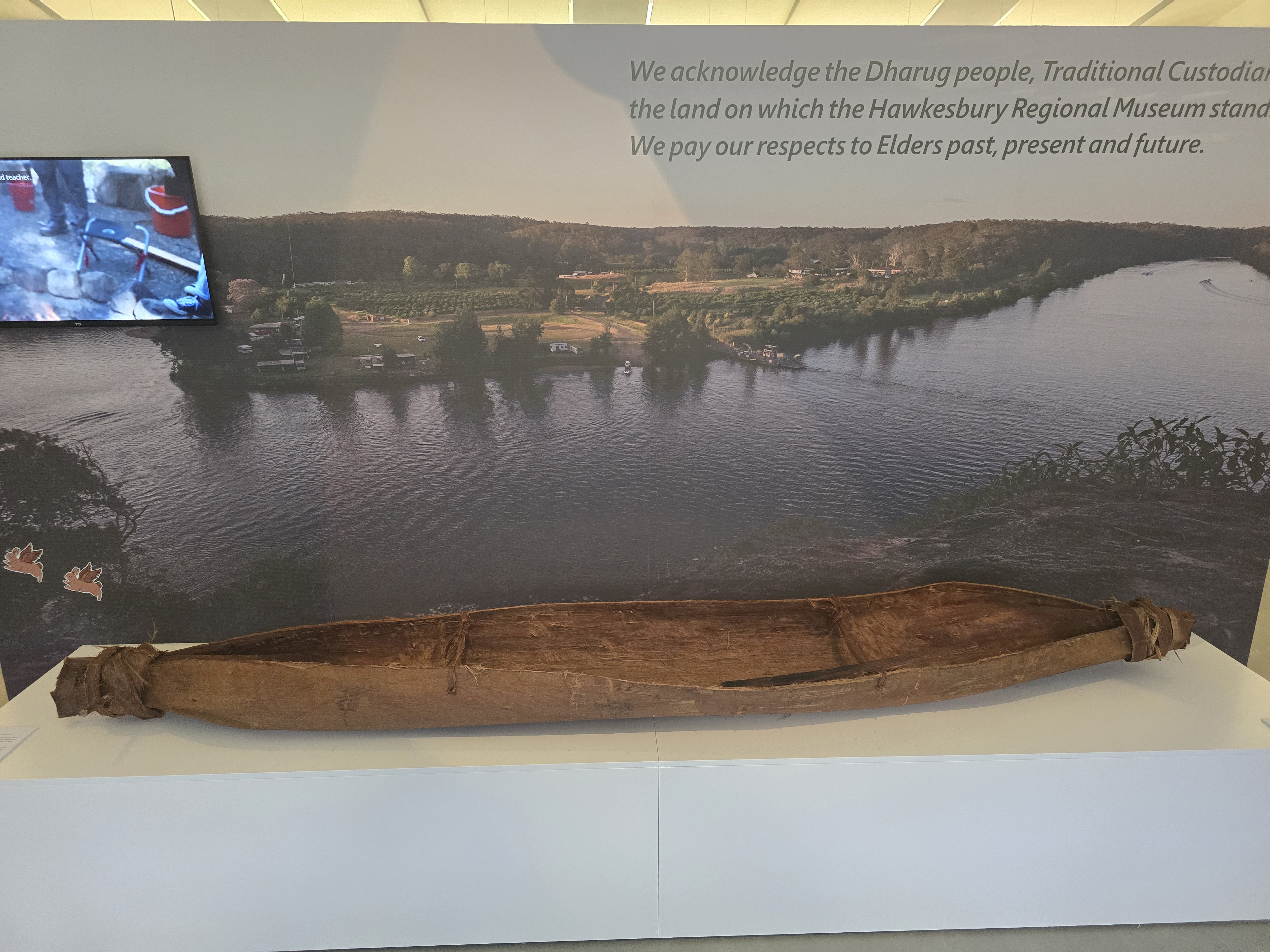
Introduces Aboriginal perspectives and highlights the river as Country rather than only a physical feature.
Supports geographical explanation while linking environmental knowledge and cultural perspectives.
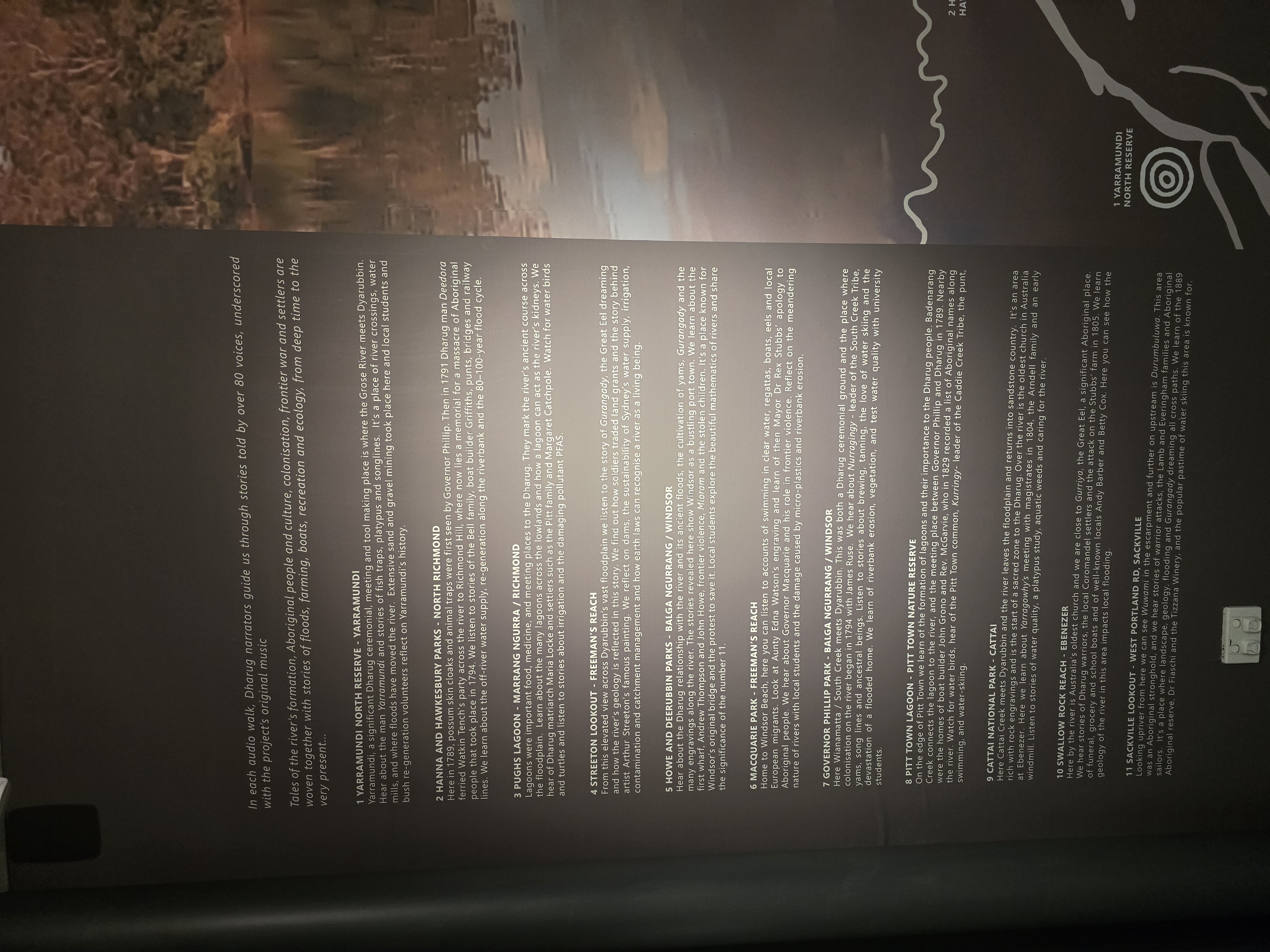
Helps students connect stories, locations, and movement along the river corridor.
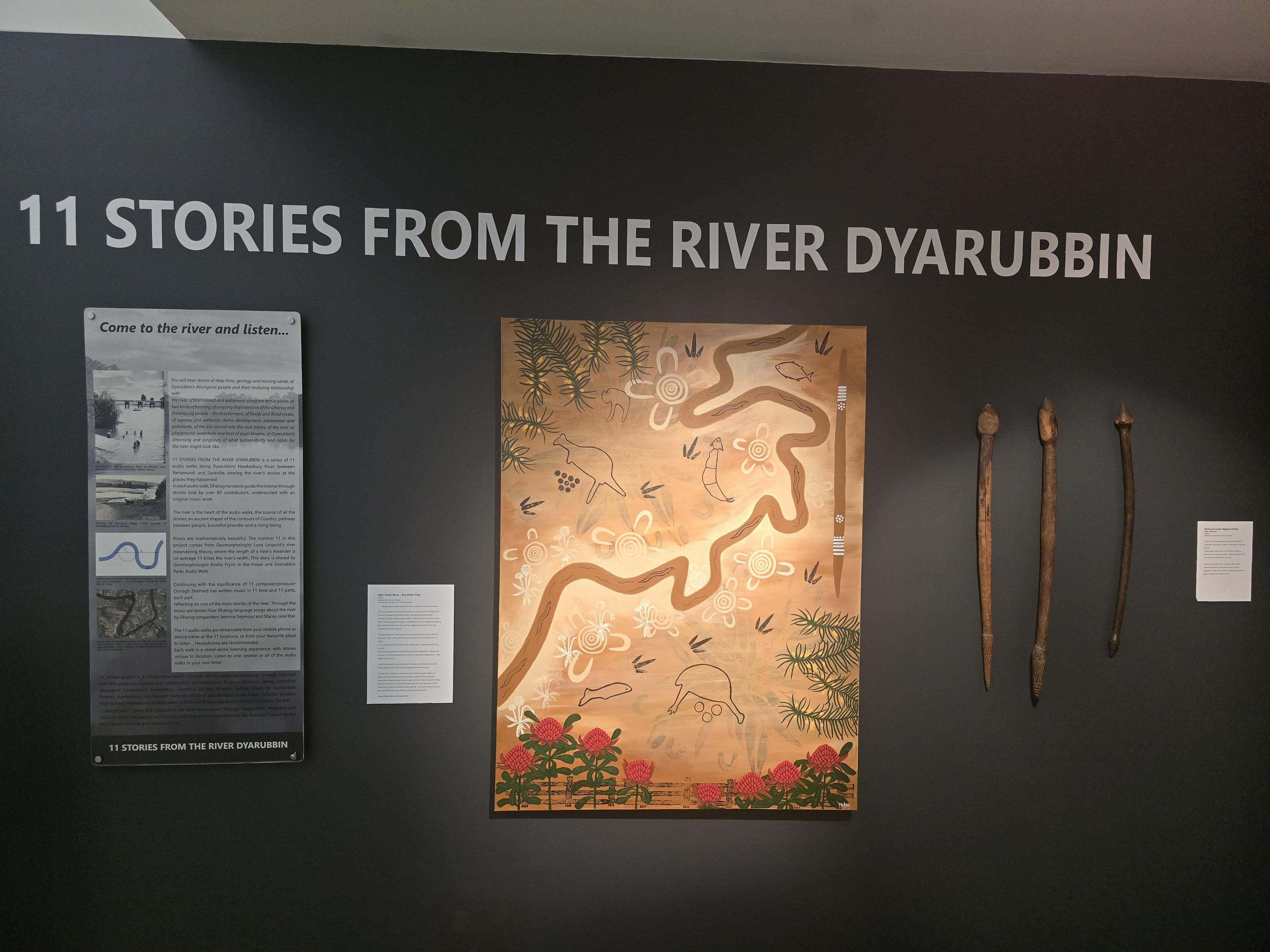
Adds a readable interpretive source that can be used when students sort evidence and perspectives.
Each card below is ready for teacher use and can be linked to live resources once the final materials are added.
This resource card can link students and teachers to the official Hawkesbury Regional Museum website. It is useful for checking opening information, exploring exhibitions, and viewing background details about the museum's role in preserving local history. In class, the site can be used to build curiosity before a visit and to support follow-up discussion about how museums collect, display, and interpret the past.
Best used before or after the visit to build background knowledge.
Visit websiteThis card can connect students with a digital map or Google Earth view of Windsor and the wider Hawkesbury region. It helps learners visualise where the museum is located and understand how rivers, roads, buildings, and landforms shape community life. Teachers can use it to support mapping skills, place-based discussion, and comparisons between historical and contemporary views of the local area.
Useful for locating Windsor and exploring how river, roads, and landforms shape the area.
Open mapThis source pack can include carefully selected photographs taken during the museum visit, with captions or prompts added by the teacher. It allows students to revisit key displays, artefacts, and visual evidence even when they are back in the classroom. The pack can support close observation, source analysis, comparison activities, and small-group discussion about what different museum items reveal about people and place.
Ideal for source analysis back in the classroom.
Download source packThis worksheet can guide students through a structured process for observing, questioning, and interpreting museum objects. It may include prompts about materials, purpose, historical clues, perspective, and significance. Using a scaffold like this helps Stage 3 students move beyond simple description and begin making evidence-based historical inferences. It also provides a clear record of thinking that can be used for assessment or reflection.
Supports structured observation, questioning, and interpretation.
Download worksheetThis reflection evaluates how Hawkesbury Regional Museum functions as a community resource for Stage 3 HASS learning. As a local museum presenting the histories and stories of the Hawkesbury region, the site offers authentic opportunities for students to engage with historical sources and geographical concepts. When used as part of a structured inquiry, the museum supports meaningful learning by connecting curriculum outcomes to real places, objects, and community narratives, aligning with the NSW Human Society and its Environment K–6 Syllabus (NESA, 2024).
A key strength of the museum as a learning resource is its capacity to support inquiry-based learning. Students are able to engage directly with sources such as artefacts, images, and interpretive displays, which encourages observation, questioning, and interpretation. This reflects constructivist approaches to learning, where students actively build understanding through interaction with their environment (Bruner, 1961). It also aligns with the HASS emphasis on using sources as evidence and supports students in developing historical thinking skills such as identifying significance, analysing continuity and change, and considering perspective (Gilbert & Hoepper, 2020).
The site also supports place-based learning by situating historical and geographical concepts within a familiar local context. Place-based education emphasises the importance of connecting learning to local environments and communities to enhance relevance and engagement (Gruenewald, 2003). By exploring a museum located in Windsor, students are able to connect abstract ideas to real environments, landscapes, and community histories. This strengthens engagement, as students can see how the past is connected to their own lives and surroundings, particularly in relation to the Hawkesbury River and its role in shaping settlement and community life.
However, the effectiveness of the museum as a learning resource is dependent on how it is used by the teacher. Without structured guidance, students may engage with exhibits at a surface level, focusing on what they see rather than what it represents. Teachers play a critical role in scaffolding learning through targeted questioning, structured activities, and opportunities for reflection, consistent with Vygotsky’s (1978) emphasis on guided learning within the zone of proximal development. Strategies such as source analysis tasks, guided inquiry questions, and collaborative discussion support students to move beyond observation towards deeper interpretation and understanding.
Overall, Hawkesbury Regional Museum provides a valuable community resource for Stage 3 HASS learning when used as part of a well-designed teaching sequence. Its strength lies in offering authentic, place-based experiences that support inquiry and the use of sources as evidence. With effective teacher scaffolding, the site can enhance student engagement, deepen conceptual understanding, and support meaningful connections between past and present.
1. Bruner, J. S. (1961). The act of discovery. Harvard Educational Review, 31(1), 21-32.
2. Gilbert, R., & Hoepper, B. (2020). Teaching humanities and social sciences: History, geography, economics and citizenship in the Australian curriculum (6th ed.). Cengage Learning.
3. Gruenewald, D. A. (2003). The best of both worlds: A critical pedagogy of place. Educational Researcher, 32(4), 3-12. https://doi.org/10.3102/0013189X032004003
4. NESA. (2024). Human Society and its Environment K-6 Syllabus. NSW Education Standards Authority.